Progressive Supranuclear Palsy Headed Toward Cure

Progressive supranuclear palsy (PSP) is a brain disorder which impacts vision, cognition, movement, and speech. This disease results in weakness by affecting certain parts of the brain above the cell clusters, known as nuclei (supranuclear), which are involved in controlling eye movements. It usually manifests in mid-to late adulthood, and the survival rate of people suffering from PSP is five to nine years after the disease first appears. It is also referred to as Steele–Richardson–Olszewski syndrome.

Signs and Symptoms

The signs and symptoms of PSP vary on an individual basis, and the first symptom is usually the loss of balance while walking. Patients may experience unexplained falls or stiffness in gait. With disease progression, problems in controlling eye movements and blurring of vision become the common observations. Slowing of the eye movements is the definitive clue for a proper PSP diagnosis. Alterations of mood and behavior, such as apathy and depression, are also exhibited by patients. Other symptoms of PSP are a mask-like facial expression, slowed movements, and monotone speech.

Causes

The exact cause of PSP is not yet established; the symptoms are caused by the gradual deterioration of brain cells in certain areas, specifically the brain stem. Abnormal tau protein deposits in the nerve cells are the hallmark of the disease. This protein is associated with microtubules, which help the axons transmit information through the nerves. Abnormal protein aggregates in the surrounding cells to form protein clumps, thereby spreading throughout the nervous system. Another possible theory is that of cellular damage by free radicals, which are continuously generated by cells during normal metabolism; these damage other molecules under certain circumstances.

Diagnostic Tests

There are no specific laboratory or imaging tests currently available for a definitive PSP diagnosis. It is often misdiagnosed as the symptoms are comparatively rare and similar to other movement disorders, such as Parkinson’s disease. Brain shrinkage may show on magnetic resonance imaging (MRI) scans, and a positron emission tomography (PET) scan may be used to detect early signs that may not appear on the MRI.

Treatment

No medication or surgical procedure is available for PSP currently, and the treatment is done based on the appearance of symptoms. Antiparkinsonian agents such as levodopa help in managing stiffness, slowness, and balance, but the effect is minimal and doesn’t last long. Anti-depressants are also prescribed to control excessive drooling and for pain relief, whereas botulinum injections are used for treating excessive eye closing.

PSP therapeutics Pipeline

The PSP therapeutics pipeline is witnessing growth due to the receipt of the orphan drug status by several pharmaceutical companies for their under-development drugs. A provision of the U.S. Food and Drug Administration, the Orphan Drug Act grants a special status to a biological product or drug for the treatment of a rare condition upon a sponsor’s request. Certain incentives, such as tax credits, federal grants and a waiver of the filing fees, which is mentioned in the Prescription Drug User Fee Act, are provided under this designation.

One of the drugs in the Progressive Supranuclear Palsy therapeutics pipeline is BIIB092. Being developed by Biogen Inc., it was under the Phase II development stage in November 2017. Also known as BMS-986168, it is a humanized monoclonal antibody, which works by inhibiting the tau protein. It is being developed to be administered through the intravenous route. Bristol-Myers Squibb Company gave the drug licensing rights to Biogen Inc.

Download the report sample at: https://www.pharmaproff.com/request-sample/1230

Therefore, with the entry of more companies, the pipeline would advance, hopefully finding a definitive treatment for PSP.


Ulcerative Colitis (UC) Therapeutics Pipeline to Witness Significant Growth due to Positive Clinical Results in the Coming Years

Ulcerative colitis (UC) is a disease that affects colon or large intestine and results in inflammation of the colon and development of ulcers on intestinal linings. The disease is a result of improper functioning of immune system. As a repercussion, white blood cells (WBCs) reach the lining of large intestine, resulting in its inflammation. Signs of the disease usually are cramps in abdominal region, bloody stools, lose or urgent bowel movements, and others. The disease is non-contagious. Moreover, family history is a significant risk factor for the disease.

Download the sample pages of report at: https://www.pharmaproff.com/enquiry/1252

Treatment options for UC include infliximab, tofacitinib, aminosalicylate, corticosteroid, immunosuppressant, and ciclosporin for the reduction of inflammation. Surgery is the ultimate solution for the disease in extreme cases. The diagnosis of the disease is possible through physical examination and lab tests.

Xeljanz (Pfizer Inc.), Simponi and Remicade (Janssen Biotech Inc.), and Entyvio (Takeda Pharmaceuticals Company Limited) are some of the U.S. Food and Drug Administration (USFDA) approved drugs for the treatment for UC.

Get the detailed analysis at: https://www.pharmaproff.com/report/ulcerative-colitis-pipeline-analysis

According to the research findings, majority of the pipeline drug candidates are being developed for oral administration. It has been observed that the oral route of medication is convenient, available in delayed or rapid release formulation, less risk of systemic infections, and inexpensive in nature, and also provides improved patient’s compliance. Administration of therapeutics for UC through the oral route has shown promising results in clinical studies.

Companies that are involved in developing therapeutics for UC have shown positive clinical results in various phases of drug development. For instance, GW Pharmaceuticals plc, announced positive preliminary top-line results of phase IIa trial evaluating GWP42003 extract for treatment of UC in October 2014, which revealed that patients administered with the drug showed positive effects for UC.

It has been observed that many pharmaceutical companies are developing new and improved technologies for the development of UC therapeutics. For instance, Seres Therapeutics Inc. have developed microbiome technology to design specific therapies for particular diseases. For instance, the company developed Ecobiotic drugs for the treatment of UC.

Xeljanz, Simponi, Remicade, and Entyvio are some of the approved drugs for the treatment of UC. These drugs hold significant share in the global UC therapeutics market. Therefore, with the emergence of late- and mid-stage pipeline products in the market, the overall UC therapeutics market is expected to grow significantly in the upcoming years.

Some of the key players involved in the development of UC therapeutics are Pfizer Inc., Takeda Pharmaceutical Company Limited, Seres Therapeutics Inc., Janssen Biotech Inc., Receptos Inc., EA Pharma Co. Ltd., Celgene Corporation, and InDex Pharmaceuticals AB.

UC Therapeutics Pipeline Analysis

  • By Phase
  • By Molecule Type
  • By Route of Administration
  • By Company

The report comprises detailed pipeline analysis of therapeutics being developed for the treatment of UC. Comprehensive insights on the pipeline products have been provided, with special focus on strategic developments of key players, information on drug licensing, designations, financing, and grants, technological advancements, patents, and upcoming conferences. In addition, the report highlights the winning strategies of companies involved in the UC therapeutics development. Detailed regulatory approval procedures in the U.S., Europe, and Japan are also provided in this report. Furthermore, the report contains competitive analysis and extensive information on monotherapies, combination therapies, targets and mechanisms of action, and drug origin with respect to UC.

Angiopoietin (ANG) Inhibitors Therapeutics Pipeline Analysis 2019

Angiopoietin (ANG) receptor plays a crucial role in regulation of vascular permeability and pathological vascular remodelling during tumour angiogenesis, metastasis and inflammation. Thus, it has emerged as a new clinical approach for the development of therapeutics which treat cancer and ophthalmological diseases.

Download the sample report @ https://www.pharmaproff.com/request-sample/1173

The exclusive function of these receptors in vascular stabilization also makes it an attractive target in organ transplantation, sepsis, vascular complications of diabetes and atherosclerosis. There are various types of angiopoietins identified which includes ANG-1, ANG-2, ANG-3 and ANG-4. ANG-2 is the most commonly targeted receptor for the treatment of various diseases and demonstrated as potential therapeutics for anti-angiogenesis treatment for patients suffering from cancer.

Get the detailed analysis @ https://www.pharmaproff.com/report/ang-inhibitors-therapeutics

Company like Regeneron Pharmaceuticals Inc. is developing a combination of nesvacumab and aflibercept which acts as ANG-2 inhibitor and vascular endothelial growth factor A inhibitor, respectively for the treatment of retinal diseases (wet age-related macular degeneration and diabetic macular oedema). F. Hoffmann-La Roche Ltd., Eli Lilly and Company, and Boehringer Ingelheim International GmbH are some other key players having extensive pipeline of angiopoietin inhibitors.

The report provides a comprehensive understanding of the pipeline activities covering all drug candidates under various stages of development, with detailed analysis of pipeline and clinical trials. Pipeline analysis of drugs by phases includes product description and development activities including information about clinical results, designations, collaborations, licencing, grants, technology and others.

Strategic Advancements in Drug Development are Beholding the Growth of OX40 Receptor Agonists Pipeline

OX40 receptor holds a place in the tumor necrosis factor (TNF) superfamily whose interactions play an essential role in causing of different immune system ailments. OX40 interactions are amongst the most critical pathways that decide the extent of CD4 and CD8 T cell resistance. OX40 interactions also possess a crucial role in T cell immunity. OX40 is a co-stimulatory receptor that binds to OX40-Ligand (OX40L) to initiate a cascade, which is required for the activation of T cells. The OX40 receptor agonists have a similar impact as that of OX40L, and increases the OX40 signaling by subsequently reactivating the counter tumor resistant reaction in cancer patients. Currently, there is no approved drug that targets the OX40 receptor, therefore, drug manufacturers are constantly working in the direction to obtain new treatment strategies by targeting OX40 receptor.

Download the sample report at: https://www.pharmaproff.com/request-sample/1244

According to the research findings, majority of the pipeline drug candidates are being developed to be administered by intravenous route. It has been observed that the intravenous route of medication is convenient and provides improved patient’s compliance. Administration of OX40 receptor agonists through the intravenous route has shown promising results in clinical studies.

Get the detailed analysis at: https://www.pharmaproff.com/report/ox40-receptor-agonist-therapeutics-pipeline

Positive Clinical Results Play a Pivotal Role in OX40 Receptor Agonists Development

Companies that are involved in developing OX40 receptor agonists have shown positive clinical results in the various phases of drug development. For instance, in July 2018, Kymab Group Limited announced the positive data of phase I trial of KY1005 for the treatment of autoimmune diseases. The data demonstrated that KY1005 had a favorable safety profile and was well-tolerated. In addition, KY1005 was shown to block T-cell-driven inflammation in the skin of healthy volunteers. Kymab Group Limited has further planned to proceed with Phase II clinical trials for the treatment of atopic dermatitis, with additional plans to conduct parallel studies for graft-versus-host disease (GvHD).

Make enquiry before purchase at: https://www.pharmaproff.com/enquiry/1244

It has been observed that many pharmaceutical companies are entering into collaboration and licensing for the development of OX40 receptor agonists and their geographical expansion. For instance, in November 2011, AgonOx entered into an exclusive global partnership with MedImmune LLC to develop agonists using its OX40 platform. Under the terms of the agreement, MedImmune LLC will further conduct preclinical and clinical studies of OX-40 agonists (tumor-specific T-cell immunity stimulator) for the potential treatment of cancer.

Some of the players involved in the development of OX40 receptor agonists are Pfizer Inc., GlaxoSmithKline plc, Kymab Group Limited, MedImmune LLC, AstraZeneca PLC, Bristol-Myers Squibb Company, Incyte Corporation, Innovent Biologics (Suzhou) Co. Ltd., and F. Hoffmann-La Roche Ltd.

The report comprises detailed pipeline analysis of OX40 receptor agonists under development. Comprehensive insights on the pipeline products have been provided, with special focus on strategic developments of key players, information on drug licensing, designations, financing, and grants, technological advancements, patents, and upcoming conferences. In addition, the report highlights the winning strategies of companies involved in the development of OX40 receptor agonists. Detailed regulatory approval procedures in the U.S., Europe, and Japan are also provided in this report. Furthermore, the report contains competitive analysis and extensive information on monotherapies, combination therapies, targets and mechanisms of action, and drug origin with respect to OX40 receptor agonists.

Positive Clinical Trials are Responsible for the Growth of Diabetic Foot Ulcer Therapeutics Pipeline

A diabetic foot ulcer is an open sore or wound that occurs in approximately 15% of patients with diabetes and is commonly located in the bottom of the foot. People with diabetes are at higher risk of developing neuropathy as increased blood glucose levels lead to nerve damage. Poor blood circulation, hyperglycemia, and deprived nutrition are some other risk factors associated with the onset of diabetic foot ulcer.

Download the sample report at: https://www.pharmaproff.com/request-sample/1219

Symptoms of diabetic foot ulcer vary from person to person. Some of the commonly reported symptoms include numbness and tingling sensation, skin discoloration, blisters, and red streaks. The disease can be diagnosed by physical examination and imaging techniques including magnetic resonance imaging (MRI), radiography, and bone scan. Treatment of the disease includes surgical procedures such as shaving or excision of bone and the correction of various deformities to remove pressure from the affected area. Moreover, dead skin and tissue removal, blood glucose management, medication, and regular dressings are also help to manage diabetic foot ulcer.

Get the detailed analysis at: https://www.pharmaproff.com/report/diabetic-foot-ulcers-therapeutics-pipeline-analysis

REGRANEX (Janssen Pharmaceuticals Inc.), a topically administered gel, is one of the marketed products indicated for the treatment of diabetic foot ulcer.

According to the research, most of the therapeutic drug candidates are being developed for topical administration. It has been found that topical route of administration is easy to use, non-invasive, and effective method of treatment, and also ensures high level of patient satisfaction.

In November 2018, Destiny Pharma plc and University of Southampton entered into a research collaboration to examine the use of Destiny Pharma plc’s novel XF compounds to prevent, control, and eradicate chronic clinical infections, including diabetic foot ulcer and cystic fibrosis. Similarly, in February 2016, Gemstone Biotherapeutics LLC licensed new wound-healing technology from Johns Hopkins University for the treatment of diabetic foot ulcer.

Some of the key players involved in the development of diabetic foot ulcer therapeutics include GlaxoSmithKline plc, Destiny Pharma plc, FirstString Research Inc., RHEACELL GmbH & Co. KG, Charsire Biotechnology Corp., ASKLEP Inc., Remedor Biomed Ltd., Janssen Pharmaceuticals Inc., and Biotec Pharmacon ASA.

Pipeline Analysis of Spleen Tyrosine Kinase (Syk) Inhibitor Therapeutics

Spleen tyrosine kinase (Syk) is a protein that belongs to the family of tyrosine kinases with an ability to initiate the inflammatory responses, by connecting immune cell receptors to intracellular signaling pathways. Therefore, Syk is an attractive target for improving the symptoms related to acute and chronic inflammation. In addition, the role of protein is recognized as a promoter in various types of cancers ranging from leukemia to retinoblastoma.

Syk protein facilitates the phosphorylation of protein on tyrosines and also involves in the B cell antigen receptor (BCR) signalling pathways. There are several drugs that effectively inhibit the Syk kinase but the off-target effect is a limiting factor. Currently, there are various Syk inhibitors that prevent release of inflammatory cytokines in vitro and IgE-driven mast cell degranulation.

Levolta Pharmaceuticals Inc. is developing a drug candidate, that acts as Syk inhibitor for the treatment of immunological diseases. Rigel Pharmaceuticals Inc. is developing fostamatinib as a Syk inhibitor for the treatment of chronic immune thrombocytopenia and autoimmune hemolytic anemia. Hutchison China MediTech Limited is also developing HMPL-523 as a Syk inhibitor for the treatment of cancer indications. Some of the companies having pipeline of Syk inhibitor include Genosco Inc., Asana BioSciences LLC, and others.

Get more info about Syk Inhibitor Therapeutics Clinical Trials & Results Download the sample report at: https://www.pharmaproff.com/request-sample/1198

Hepatocyte Growth Factor (HGF) Inhibitor Therapeutics Pipeline Analysis

Hepatocyte growth factor (HGF) is secreted by human pancreatic stellate cells and present predominantly on cancer cells. Thus, HGF inhibitors has emerged as an effective therapy in preventing local tumor growth. Also, studies have demonstrated that HGF inhibitors are significantly more effective than Gemcitabine in inhibiting tumor angiogenesis and metastasis.

Studies have demonstrated that the HGF inhibitor can be a novel therapeutics that can be developed as a monotherapy or as combination therapy with RAS-RAF-MEK, AKT-mTOR, and EGFR inhibitors for the treatment of various human cancers. HGF inhibitors have shown potent antineoplastic effects in several clinical trials for the treatment of head and neck squamous cell carcinoma as HGF/c-Met pathway is directly involved in the development of a proliferative, invasive, and metastatic cancer.

AVEO Pharmaceuticals Inc. is in the process of developing Ficlatuzumab as a potent HGF inhibitor antibody that binds to the HGF ligand with high affinity and specificity to inhibit HGF/c-Met biological activities for the treatment of squamous cell carcinoma of the head and neck and acute myeloid leukemia. Galaxy Biotech LLC, Daiichi Sankyo Company Limited, and Taiho Pharmaceutical Co. are some other companies having HGF inhibitor pipeline.

Know more about Hepatocyte Growth Factor (HGF) Inhibitor Therapeutics Download the Research Study at: https://www.pharmaproff.com/request-sample/1201

The report provides a comprehensive understanding of the pipeline activities covering all drug candidates under various stages of development, with detailed analysis of pipeline and clinical trials. Pipeline analysis of drugs by phases includes product description and development activities including information about clinical results, designations, collaborations, licencing, grants, technology and others.

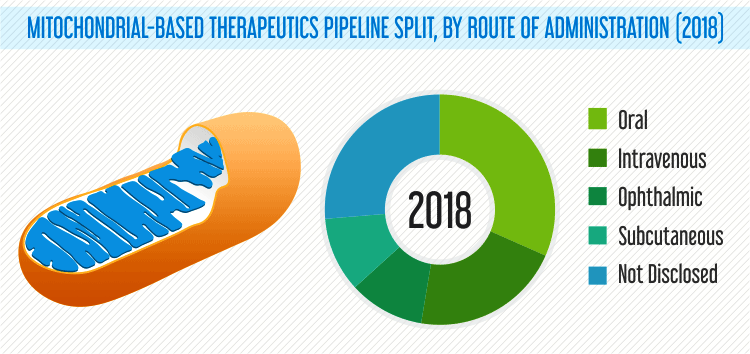
Mitochondrial-Based Therapeutics to Witness Significant Growth due to Positive Clinical Results in the Coming Years

Mitochondria are the organelles found in cytoplasm of most eukaryotic cells. These are also known as power-house of the cell. Although, the gene expression of mitochondria has been poorly understood; however, it is very important to understand the same in the diseased patients. Several chronic diseases, such as Leigh’s disease, and Alper’s syndrome, occur due to the mutation in mitochondrial DNA (mtDNA), which alters mtDNA expression. Currently, there are no approved drugs for the treatment of diseases caused due to mtDNA mutation.

According to the research findings, majority of the drug candidates in the pipeline are being developed as a small molecule and synthetic peptides, to counteract the effect of mitochondrial-based diseases in body. These drug candidates have shown a positive-results in their Pre-Clinical and clinical studies.

It has been observed that many mitochondrial-based therapeutics are being granted various designation from the United States Food and Drug Administration (USFDA), and the European Commission. These milestones are helpful in accelerating the development of therapeutic molecular entity. For instance, in April 2018, Stealth BioTherapeutics Inc. announced that the USFDA granted Orphan Drug Designation to company’s frontrunner compound “Elamipretide”, to treat Barth syndrome and Leber’s hereditary optic neuropathy (LHON).

Some of the key players involved in the development of mitochondrial-based therapeutics include Khondrion BV, CohBar Inc., BioElectron Technology Corporation, Chondrial Therapeutics Inc., Immungenetics AG, Stealth BioTherapeutics Inc., Congenia S.r.l., Astellas Pharma Inc., and Novartis AG.

Mitochondrial-Based Therapeutics Pipeline Analysis

By Phase

By Molecule Type

By Route of Administration

By Company

Get the Research Report about Mitochondrial-Based Therapeutics Pipeline Analysis at: https://www.pharmaproff.com/request-customization/1212

The report comprises of detailed pipeline analysis of mitochondrial-based therapeutics, analyzing the emerging therapies and their progress status in different phases of development. Comprehensive insights into the pipeline phase products has been provided with special focus on strategic development activities inclusive of collaboration and licensing information, drug designations, financing, grants, technological advancements, and patent. The report also contains competitive analysis and extensive information on monotherapies, combination therapies, targets and mechanism of action, and drug origin with relevance to mitochondrial-based therapeutics.

Glycogen Synthase Kinase 3 Beta (GSK-3β) Inhibitors Therapeutics Pipeline Analysis

Glycogen synthase kinase 3 beta (GSK-3β) is an attractive target for the treatment of psychiatric disorders and neurodegenerative diseases. Many GSK-3β inhibitors have been developed for the treatment of different central nervous system disorders. But, for an effective therapy, high IC50 values should be avoided and ATP-competition should be reduced during enzyme-compound binding. Studies suggested that ATP non-competitive GSK-3 inhibitors such covalent inhibitors and allosteric modulators are emerging as a promising approach with better efficacy and safety.

Despite of many GSK-3β inhibitors in clinical studies, many challenges still remains. In a clinical study, certain adverse events caused by off-target activity of GSK-3β inhibitors were determined after the screening of compounds that bind to the ATP-competitive binding site conserved across a broad range of kinases. Thus, there is an urgent need of development of GSK-3β inhibitors that can selectively target individual pathways and differentiate between the non-phosphorylated and phosphorylated GSK-3β.

Company like AMO Pharma Ltd. is in the process of developing AMO-02 as a small molecule which acts as a GSK-3β inhibitor for the treatment of congenital myotonic dystrophy.

For more information about Glycogen Synthase Kinase 3 Beta (GSK-3β) Inhibitors Therapeutics Download the research study at: https://www.pharmaproff.com/request-sample/1200

Janus Kinase (JAK) Inhibitors Pipeline to Witness Significant Growth due to Positive Clinical Results in the Coming Years

JAK comprises four receptors JAK1, JAK2, JAK3, and tyrosine kinase 2 (TYK2) which help in cytokine mediated signaling through the JAK/STAT pathway. There are two nearly identical phosphate transferring domains present in JAKs. The first domain demonstrates kinase activity while the other regulates the activity of the first via negative inhibition. The mutations in the JAK/STAT pathway leads to different medical conditions.

The JAK inhibitors work by blocking the cytokine mediated signaling via JAK/STAT pathway which plays an important role in immune regulation and growth.

The pipeline of JAK inhibitors is quite robust with drugs being developed in the Pre-Registration, Phase III, Phase II, Phase I, Pre-Clinical, and Discovery stage of development. Also, majority of the pipeline products are currently undergoing Phase II clinical studies.

According to the research findings, majority of the JAK inhibitors in the pipeline are being developed for oral administration. It has been observed that the oral route of medication is convenient, available in delayed or rapid release formulation, less risk of systemic infections, and inexpensive in nature, and also provides improved patient’s compliance. Moreover, the drugs administered by this route are less invasive and can be modified for extended release, thereby increasing the bioavailability. Also, administration of JAK inhibitors through oral route have shown promising results in the clinical studies.

For more information get the sample pages of Report at:
https://www.pharmaproff.com/request-sample/1216

The companies developing JAK inhibitors have shown positive clinical results in the various phases of drug development. For instance, in January 2018, LEO Pharma A/S’s collaborator Japan Tobacco Inc. and Torii Pharmaceutical Co. Ltd. announced the topline results from delgocitinib’s Phase III comparative study. The primary endpoints of the study were met and there were no clinically significant findings on safety and tolerability of delgocitinib within the treatment period. Similarly, Astellas Pharma Inc. in February 2018, announced results of two-Phase II trials on peficitinib wherein the drug demonstrated superiority over the placebo w.r.t the primary endpoints. Also, the safety profile of Peficitinib was found to be consistent.

In the wake of various strategic development activities, Theravance Biopharma Inc. and Janssen Global LLC signed an agreement in February 2018 to jointly develop and commercialize Phase I product, TD-1473. Similarly, Galapagos NV and Gilead Sciences Inc. in December 2015 signed a partnership agreement to develop and commercialize filgotinib for the treatment of rheumatoid arthritis and Crohn’s disease. Therefore, collaborating and partnering with other companies can help the current players in the pipeline to expand their drug portfolio for the treatment of diseases related to the JAK/STAT pathway.

Pfizer Inc., Eli Lilly and Company, Incyte Corporation, AbbVie Inc., Concert Pharmaceuticals Inc., Portola Pharmaceuticals Inc., Italfarmaco S.p.A, CTI BioPharma Corp., Theravance Biopharma Inc., Janssen Global LLC, and Galapagos NV are some of the companies involved in the development of JAK inhibitors.