Pipeline Analysis of Spleen Tyrosine Kinase (Syk) Inhibitor Therapeutics

Spleen tyrosine kinase (Syk) is a protein that belongs to the family of tyrosine kinases with an ability to initiate the inflammatory responses, by connecting immune cell receptors to intracellular signaling pathways. Therefore, Syk is an attractive target for improving the symptoms related to acute and chronic inflammation. In addition, the role of protein is recognized as a promoter in various types of cancers ranging from leukemia to retinoblastoma.

Syk protein facilitates the phosphorylation of protein on tyrosines and also involves in the B cell antigen receptor (BCR) signalling pathways. There are several drugs that effectively inhibit the Syk kinase but the off-target effect is a limiting factor. Currently, there are various Syk inhibitors that prevent release of inflammatory cytokines in vitro and IgE-driven mast cell degranulation.

Levolta Pharmaceuticals Inc. is developing a drug candidate, that acts as Syk inhibitor for the treatment of immunological diseases. Rigel Pharmaceuticals Inc. is developing fostamatinib as a Syk inhibitor for the treatment of chronic immune thrombocytopenia and autoimmune hemolytic anemia. Hutchison China MediTech Limited is also developing HMPL-523 as a Syk inhibitor for the treatment of cancer indications. Some of the companies having pipeline of Syk inhibitor include Genosco Inc., Asana BioSciences LLC, and others.

Get more info about Syk Inhibitor Therapeutics Clinical Trials & Results Download the sample report at: https://www.pharmaproff.com/request-sample/1198
Mitochondrial-Based Therapeutics to Witness Significant Growth due to Positive Clinical Results in the Coming Years

Mitochondria are the organelles found in cytoplasm of most eukaryotic cells. These are also known as power-house of the cell. Although, the gene expression of mitochondria has been poorly understood; however, it is very important to understand the same in the diseased patients. Several chronic diseases, such as Leigh’s disease, and Alper’s syndrome, occur due to the mutation in mitochondrial DNA (mtDNA), which alters mtDNA expression. Currently, there are no approved drugs for the treatment of diseases caused due to mtDNA mutation.

According to the research findings, majority of the drug candidates in the pipeline are being developed as a small molecule and synthetic peptides, to counteract the effect of mitochondrial-based diseases in body. These drug candidates have shown a positive-results in their Pre-Clinical and clinical studies.

It has been observed that many mitochondrial-based therapeutics are being granted various designation from the United States Food and Drug Administration (USFDA), and the European Commission. These milestones are helpful in accelerating the development of therapeutic molecular entity. For instance, in April 2018, Stealth BioTherapeutics Inc. announced that the USFDA granted Orphan Drug Designation to company’s frontrunner compound “Elamipretide”, to treat Barth syndrome and Leber’s hereditary optic neuropathy (LHON).

Some of the key players involved in the development of mitochondrial-based therapeutics include Khondrion BV, CohBar Inc., BioElectron Technology Corporation, Chondrial Therapeutics Inc., Immungenetics AG, Stealth BioTherapeutics Inc., Congenia S.r.l., Astellas Pharma Inc., and Novartis AG.

Mitochondrial-Based Therapeutics Pipeline Analysis

By Phase

By Molecule Type

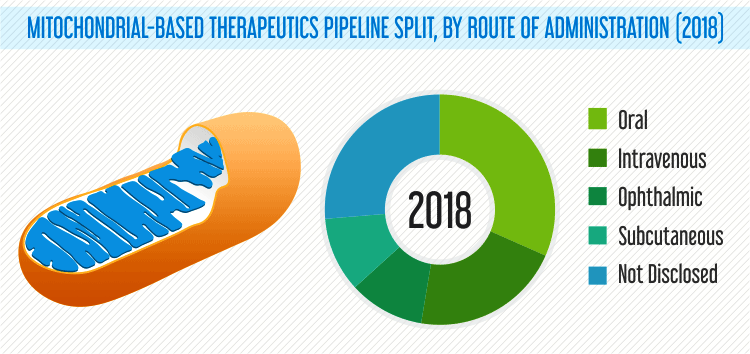
By Route of Administration

By Company

Get the Research Report about Mitochondrial-Based Therapeutics Pipeline Analysis at: https://www.pharmaproff.com/request-customization/1212

The report comprises of detailed pipeline analysis of mitochondrial-based therapeutics, analyzing the emerging therapies and their progress status in different phases of development. Comprehensive insights into the pipeline phase products has been provided with special focus on strategic development activities inclusive of collaboration and licensing information, drug designations, financing, grants, technological advancements, and patent. The report also contains competitive analysis and extensive information on monotherapies, combination therapies, targets and mechanism of action, and drug origin with relevance to mitochondrial-based therapeutics.

Pipeline Analysis of Turner Syndrome Therapeutics

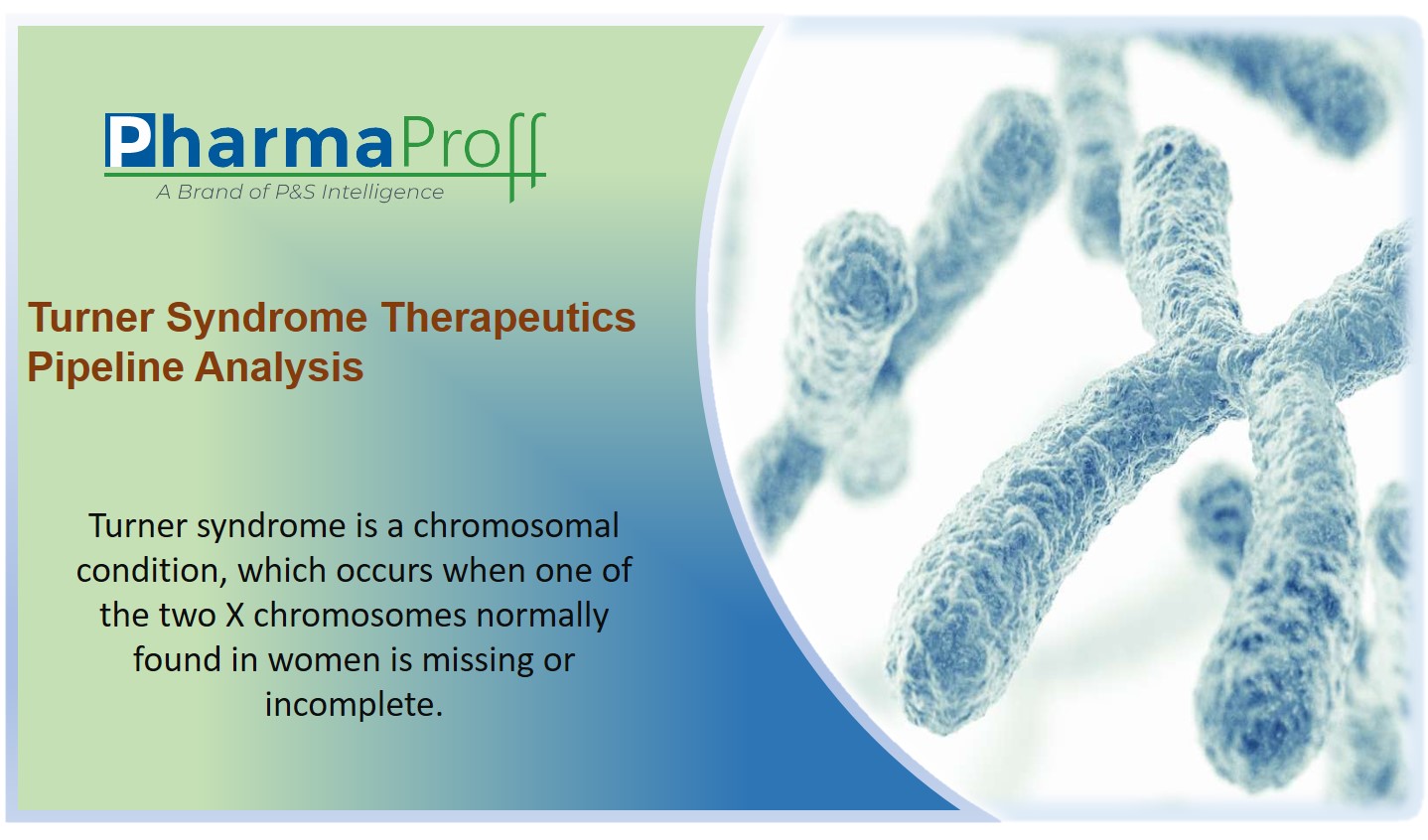
Turner syndrome is a chromosomal condition, which occurs when one of the two X chromosomes normally found in women is missing or incomplete. The disease alters the growth and development in females. The symptoms can vary among women who have Turner syndrome.

Women with this condition tend to be shorter than average and are usually unable to conceive a child because of an absence of ovarian function. Some other features of this condition are extra skin on the neck (webbed neck), heart defects and kidney problems, puffiness or swelling (lymphedema) of the hands and feet, and skeletal abnormalities.

For more info download the sample report at:
https://www.pharmaproff.com/request-sample/1149

This condition occurs in about one in 2,500 female births worldwide, but is much more common among pregnancies that do not survive to term (miscarriages and stillbirths).

The drug candidates of Turner syndrome disease pipeline include, but are not limited to are Estradiol and Somatropin pegylated. Some of the companies having drugs in the Turner syndrome disease pipeline are Novo Nordisk A/S, GeneScience Pharmaceuticals Co. Ltd., and Polus Inc.

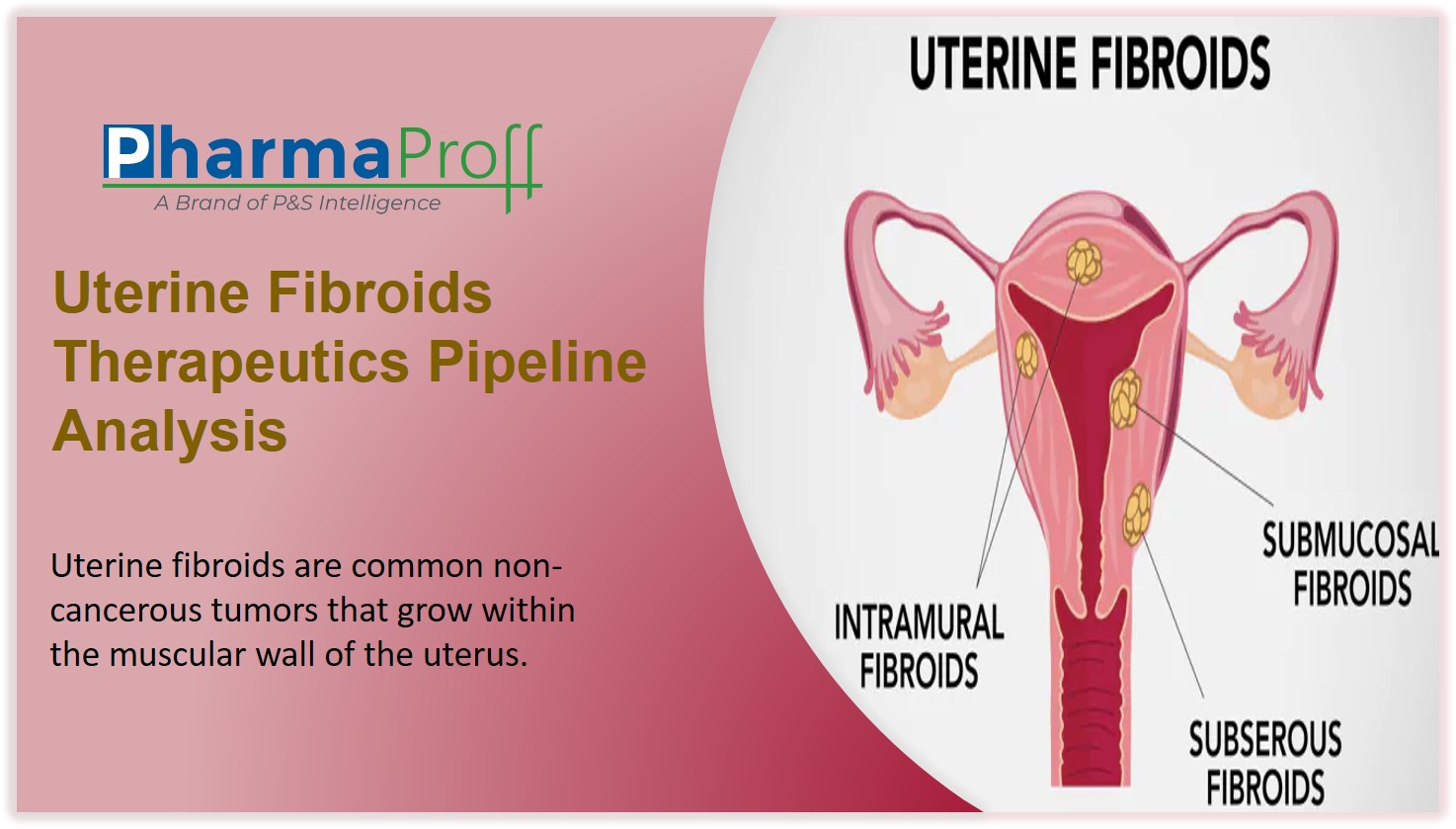
Clinical Trials & Results on Uterine Fibroids Therapeutics

Uterine fibroids, also known as leiomyomas or myomas, are non-cancerous growths that develop from the muscle tissue of the uterus. The size, shape, and location of fibroids can vary greatly. They may be present inside the uterus on its outer surface, or within its wall, or attached to it by a stem-like structure.

A fibroid may remain very small for a long time and suddenly grow rapidly, or grow slowly over a number of years. It usually affects women between the age of 30 to 40 years, but can occur at any age.

For more info download the free sample report at: Uterine Fibroids Therapeutics – Pipeline Analysis 2018

Uterine fibroids may have various symptoms, such as change in menstruation, anaemia, abdominal cramps, constipation, pain during sex, rectal pain, and difficulty urinating or frequent urination. It is diagnosed through ultrasonography, hysteroscopy, hysterosalpingography, and sonohysterography. Some medications are known to reduce heavy bleeding and painful periods, caused due to this condition.

The drug candidates in uterine fibroids disease pipeline include, but are not limited to, Elagolix, OBE2109, and Proellex. Some of the companies having drugs in the uterine fibroids disease pipeline are Neurocrine Biosciences Inc., Abbvie Inc., and ObsEva SA.

Tuberous Sclerosis Therapeutics- Pipeline Analysis 2018, Clinical Trials & Results

Tuberous sclerosis, also known as tuberous sclerosis complex, is a genetic disorder characterized by the growth of numerous noncancerous (benign) tumors in many parts of the body.

Download the sample report @ https://www.pharmaproff.com/request-sample/1120

It can occur in the brain, skin, kidneys, and other organs, in some cases leading to significant health problems. The signs and symptoms of the disease vary from person to person. Virtually all affected people have skin abnormalities, including patches of unusually light-coloured skin, areas of raised and thickened skin, and growths under the nails. It can also cause facial angiofibromas, tumors on the face beginning in childhood.

Some affected children have the characteristic features of autism, a developmental disorder that affects communication and social interaction.

The drug candidates of tuberous sclerosis disease pipeline include, but not limited to, cannabidiol, and TAK-935. Novartis AG, GW Pharmaceuticals plc and Takeda Pharmaceutical Company Limited are some of the major companies having drugs in the tuberous sclerosis therapeutics pipeline.

Prurigo Therapeutics Pipeline Analysis 2018

Prurigo is a group of skin diseases characterised by intensely pruritic, and difficult to treat. There are two conditions associated with prurigo which includes nodular prurigo and papular prurigo. Nodular prurigo is characterized by symmetrical lesions usually on the distal limbs; while, papular prurigo represents smaller lesions which affect cape area.

Download the sample report at: https://www.pharmaproff.com/request-sample/1017

Prurigo is associated with other skin conditions such as atopic eczema, iron deficiency, thyroid disease, Hodgkin lymphoma, non-Hodgkin lymphoma, pregnancy, chronic renal failure, diabetes, drug abuse and spinal nerve damage. 

Corticosteroids, sedative anti-histamines, antibiotics, emollients, ciclosporin, azathioprine, thalidomide, neuropathic treatments and phototherapy are some of the standard treatments available for the prurigo. 

Trevi Therapeutics Inc. is a key player in the prurigo therapeutics pipeline arena, which is currently developing Nalbuphine ER, a small molecule which acts as an opioid receptor agonist. The company is also evaluating the product for the treatment of prurigo nodularis. Menlo Therapeutics Inc., and Kiniksa Pharmaceuticals Ltd. are some other players having prurigo therapeutics in their pipeline.

Ventricular Arrhythmia Therapeutics- Pipeline Analysis 2018, Clinical Trials & Results

Ventricular arrhythmia is a cardiovascular disease that is characterized by slow beats (bradycardia) and fast beats (tachycardia). Ventricular arrhythmia generally occurs in the lower chamber of the heart. 

Download the sample report at: https://www.pharmaproff.com/request-sample/1009

Ventricular fibrillation, ventricular tachycardia, and premature ventricular beats are the three types of ventricular arrhythmia observed in the patients. Among these, ventricular fibrillation is the most serious type and is characterized by irregular and uncontrollable beats.

Get the detailed analysis at: https://www.pharmaproff.com/report/ventricular-arrhythmia-therapeutics-pipeline-analysis

Premature ventricular contraction is characterized by irregular heartbeats, in which the ventricles contract too soon. Ventricular tachycardia is a type of arrhythmia in which the ventricles are no longer in control of the SA node. Huya Bioscience International is in the process of developing HBI-3000 as a multi-ion channel blocker for the treatment of ventricular arrhythmia. Also, ARMGO Pharma Inc. is in the process of developing ARM036 as a ryanodine receptor calcium release channel modulator for the treatment of this disease. 

Galectin Inhibitor Therapeutics – Pipeline Analysis 2019

Galectins belong to the family of animal lectins and perform function by interacting with cytoplasmic and nuclear proteins, cell-surface and extracellular matrix glycoproteins and glycolipids to modulate signalling pathways. Studies have shown the crucial roles of galectin in cancer as they contribute to tumour cell survival, tumour metastasis, angiogenesis and neoplastic transformation.

Download the sample Report @ https://www.pharmaproff.com/request-sample/1209

Many studies have demonstrated role of galectins in the pathogenesis of various diseases including malignant, fibrotic and inflammatory diseases; hence, emerges as an attractive target for the therapeutic of various diseases. Galectin-3 inhibitors has shown positive clinical results for the treatment of acute lymphoblastic leukemia. Thus, providing several opportunities to the companies for the development of galectin-based therapies for the treatment of multiple human diseases.

Get the detailed analysis @ https://www.pharmaproff.com/report/galectin-inhibitor-therapeutics

Galectin Therapeutics Inc. is in the process of developing GR-MD-02 as a galectin-3 inhibitor for the treatment of fibrosis, cancer and plaque psoriasis. It is also being studied in combination with Yervoy and Keytruda, for the treatment of cancer. GlycoMimetics Inc., and Galecto Biotech AB are some other companies having pipeline of galectin inhibitors.

The report provides a comprehensive understanding of the pipeline activities covering all drug candidates under various stages of development, with detailed analysis of pipeline and clinical trials. Pipeline analysis of drugs by phases includes product description and development activities including information about clinical results, designations, collaborations, licencing, grants, technology and others.

Infertility Therapeutics  - Pipeline Analysis

Infertility is defined as the biological inability to conceive or contribute to conception, after having regular unprotected sex. According to the data published by the Department of Health and Human Services, approximately 10% to 15% of couples in the U.S. are infertile and have not conceived after at least one year of regular, unprotected sex.

Infertility may have a single cause in one of the partners, or it could be the result of a combination of factors. Some of the causes of infertility are ovulation disorders in women, chemotherapy, radiotherapy, use of illegal drugs, and testicular infections in men.

Risk factors associated with infertility are smoking, alcohol consumption, obesity, eating disorders, over-exercising, inactivity, sexually transmitted infections (STIs), mental stress, and exposure to some chemicals. Ferring International Center S.A. is in the process of developing FE 999310, for the treatment of infertility. Some of the companies having a pipeline of infertility include CellOxess LLC, TocopheRx, and others.

To know more visit @ http://bit.ly/Infertility-Therapeutics