Pipeline Analysis of Turner Syndrome Therapeutics

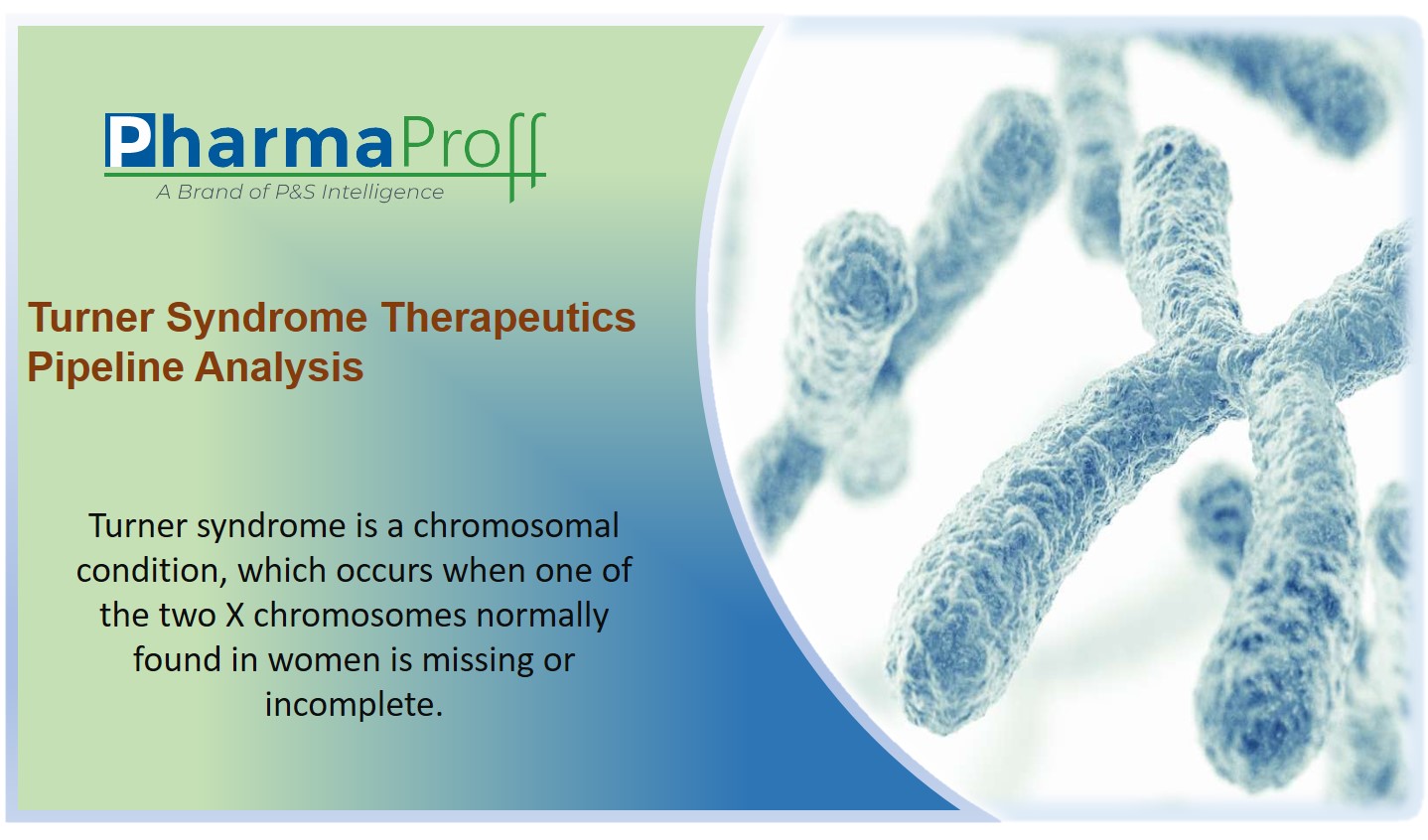
Turner syndrome is a chromosomal condition, which occurs when one of the two X chromosomes normally found in women is missing or incomplete. The disease alters the growth and development in females. The symptoms can vary among women who have Turner syndrome.
Women with this condition tend to be shorter than average and are usually unable to conceive a child because of an absence of ovarian function. Some other features of this condition are extra skin on the neck (webbed neck), heart defects and kidney problems, puffiness or swelling (lymphedema) of the hands and feet, and skeletal abnormalities.

For more info download the sample report at:
https://www.pharmaproff.com/request-sample/1149

This condition occurs in about one in 2,500 female births worldwide, but is much more common among pregnancies that do not survive to term (miscarriages and stillbirths).

The drug candidates of Turner syndrome disease pipeline include, but are not limited to are Estradiol and Somatropin pegylated. Some of the companies having drugs in the Turner syndrome disease pipeline are Novo Nordisk A/S, GeneScience Pharmaceuticals Co. Ltd., and Polus Inc.
Clinical Trials & Results on Uterine Fibroids Therapeutics

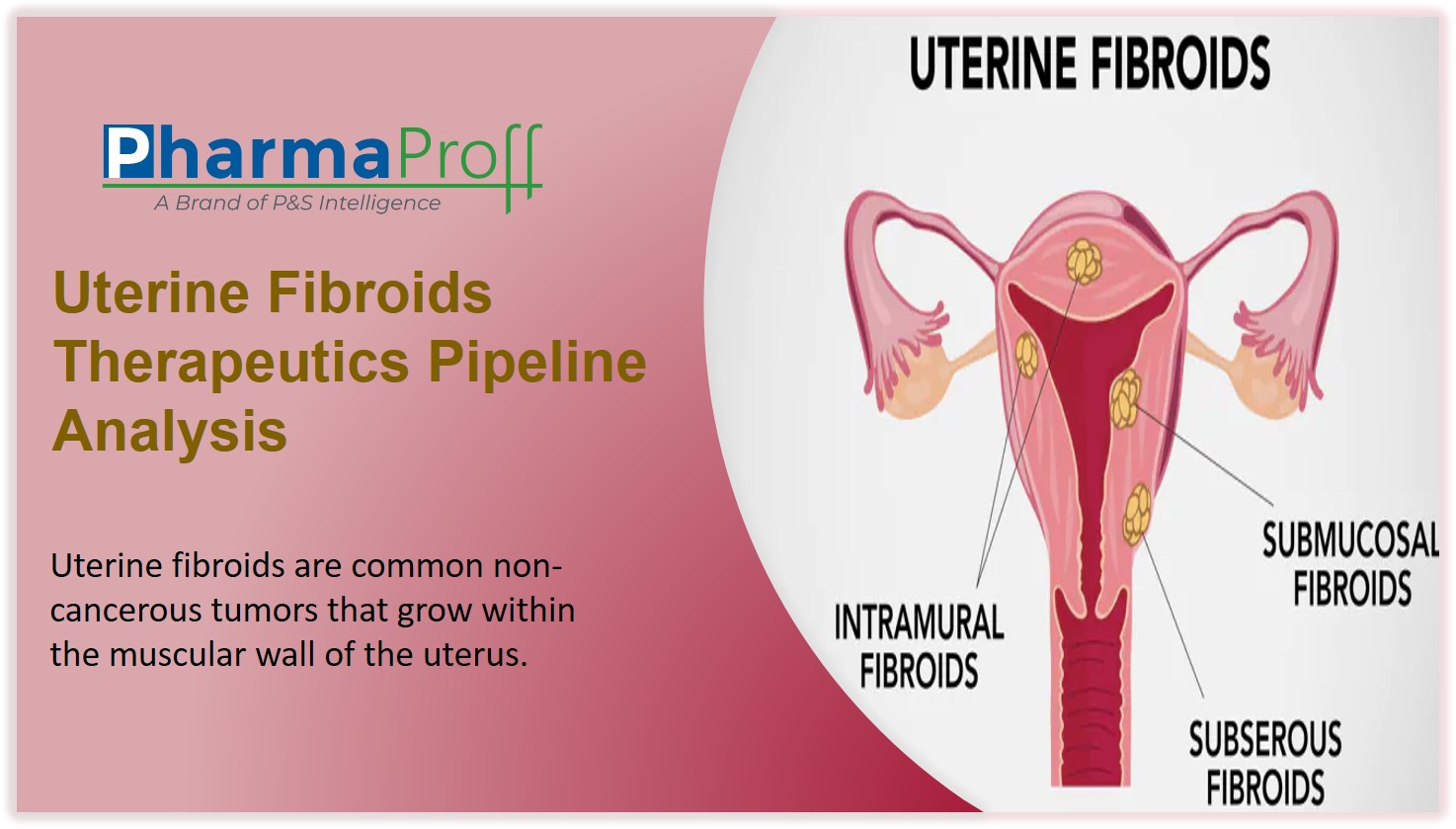
Uterine fibroids, also known as leiomyomas or myomas, are non-cancerous growths that develop from the muscle tissue of the uterus. The size, shape, and location of fibroids can vary greatly. They may be present inside the uterus on its outer surface, or within its wall, or attached to it by a stem-like structure.

A fibroid may remain very small for a long time and suddenly grow rapidly, or grow slowly over a number of years. It usually affects women between the age of 30 to 40 years, but can occur at any age.

For more info download the free sample report at: Uterine Fibroids Therapeutics – Pipeline Analysis 2018

Uterine fibroids may have various symptoms, such as change in menstruation, anaemia, abdominal cramps, constipation, pain during sex, rectal pain, and difficulty urinating or frequent urination. It is diagnosed through ultrasonography, hysteroscopy, hysterosalpingography, and sonohysterography. Some medications are known to reduce heavy bleeding and painful periods, caused due to this condition.

The drug candidates in uterine fibroids disease pipeline include, but are not limited to, Elagolix, OBE2109, and Proellex. Some of the companies having drugs in the uterine fibroids disease pipeline are Neurocrine Biosciences Inc., Abbvie Inc., and ObsEva SA.