Strategic Advancements in Drug Development are Beholding the Growth of OX40 Receptor Agonists Pipeline

OX40 receptor holds a place in the tumor necrosis factor (TNF) superfamily whose interactions play an essential role in causing of different immune system ailments. OX40 interactions are amongst the most critical pathways that decide the extent of CD4 and CD8 T cell resistance. OX40 interactions also possess a crucial role in T cell immunity. OX40 is a co-stimulatory receptor that binds to OX40-Ligand (OX40L) to initiate a cascade, which is required for the activation of T cells. The OX40 receptor agonists have a similar impact as that of OX40L, and increases the OX40 signaling by subsequently reactivating the counter tumor resistant reaction in cancer patients. Currently, there is no approved drug that targets the OX40 receptor, therefore, drug manufacturers are constantly working in the direction to obtain new treatment strategies by targeting OX40 receptor.

Download the sample report at: https://www.pharmaproff.com/request-sample/1244

According to the research findings, majority of the pipeline drug candidates are being developed to be administered by intravenous route. It has been observed that the intravenous route of medication is convenient and provides improved patient’s compliance. Administration of OX40 receptor agonists through the intravenous route has shown promising results in clinical studies.

Get the detailed analysis at: https://www.pharmaproff.com/report/ox40-receptor-agonist-therapeutics-pipeline

Positive Clinical Results Play a Pivotal Role in OX40 Receptor Agonists Development

Companies that are involved in developing OX40 receptor agonists have shown positive clinical results in the various phases of drug development. For instance, in July 2018, Kymab Group Limited announced the positive data of phase I trial of KY1005 for the treatment of autoimmune diseases. The data demonstrated that KY1005 had a favorable safety profile and was well-tolerated. In addition, KY1005 was shown to block T-cell-driven inflammation in the skin of healthy volunteers. Kymab Group Limited has further planned to proceed with Phase II clinical trials for the treatment of atopic dermatitis, with additional plans to conduct parallel studies for graft-versus-host disease (GvHD).

Make enquiry before purchase at: https://www.pharmaproff.com/enquiry/1244

It has been observed that many pharmaceutical companies are entering into collaboration and licensing for the development of OX40 receptor agonists and their geographical expansion. For instance, in November 2011, AgonOx entered into an exclusive global partnership with MedImmune LLC to develop agonists using its OX40 platform. Under the terms of the agreement, MedImmune LLC will further conduct preclinical and clinical studies of OX-40 agonists (tumor-specific T-cell immunity stimulator) for the potential treatment of cancer.

Some of the players involved in the development of OX40 receptor agonists are Pfizer Inc., GlaxoSmithKline plc, Kymab Group Limited, MedImmune LLC, AstraZeneca PLC, Bristol-Myers Squibb Company, Incyte Corporation, Innovent Biologics (Suzhou) Co. Ltd., and F. Hoffmann-La Roche Ltd.

The report comprises detailed pipeline analysis of OX40 receptor agonists under development. Comprehensive insights on the pipeline products have been provided, with special focus on strategic developments of key players, information on drug licensing, designations, financing, and grants, technological advancements, patents, and upcoming conferences. In addition, the report highlights the winning strategies of companies involved in the development of OX40 receptor agonists. Detailed regulatory approval procedures in the U.S., Europe, and Japan are also provided in this report. Furthermore, the report contains competitive analysis and extensive information on monotherapies, combination therapies, targets and mechanisms of action, and drug origin with respect to OX40 receptor agonists.
Glycogen Synthase Kinase 3 Beta (GSK-3β) Inhibitors Therapeutics Pipeline Analysis

Glycogen synthase kinase 3 beta (GSK-3β) is an attractive target for the treatment of psychiatric disorders and neurodegenerative diseases. Many GSK-3β inhibitors have been developed for the treatment of different central nervous system disorders. But, for an effective therapy, high IC50 values should be avoided and ATP-competition should be reduced during enzyme-compound binding. Studies suggested that ATP non-competitive GSK-3 inhibitors such covalent inhibitors and allosteric modulators are emerging as a promising approach with better efficacy and safety.

Despite of many GSK-3β inhibitors in clinical studies, many challenges still remains. In a clinical study, certain adverse events caused by off-target activity of GSK-3β inhibitors were determined after the screening of compounds that bind to the ATP-competitive binding site conserved across a broad range of kinases. Thus, there is an urgent need of development of GSK-3β inhibitors that can selectively target individual pathways and differentiate between the non-phosphorylated and phosphorylated GSK-3β.

Company like AMO Pharma Ltd. is in the process of developing AMO-02 as a small molecule which acts as a GSK-3β inhibitor for the treatment of congenital myotonic dystrophy.

For more information about Glycogen Synthase Kinase 3 Beta (GSK-3β) Inhibitors Therapeutics Download the research study at: https://www.pharmaproff.com/request-sample/1200

Pipeline Analysis of Turner Syndrome Therapeutics

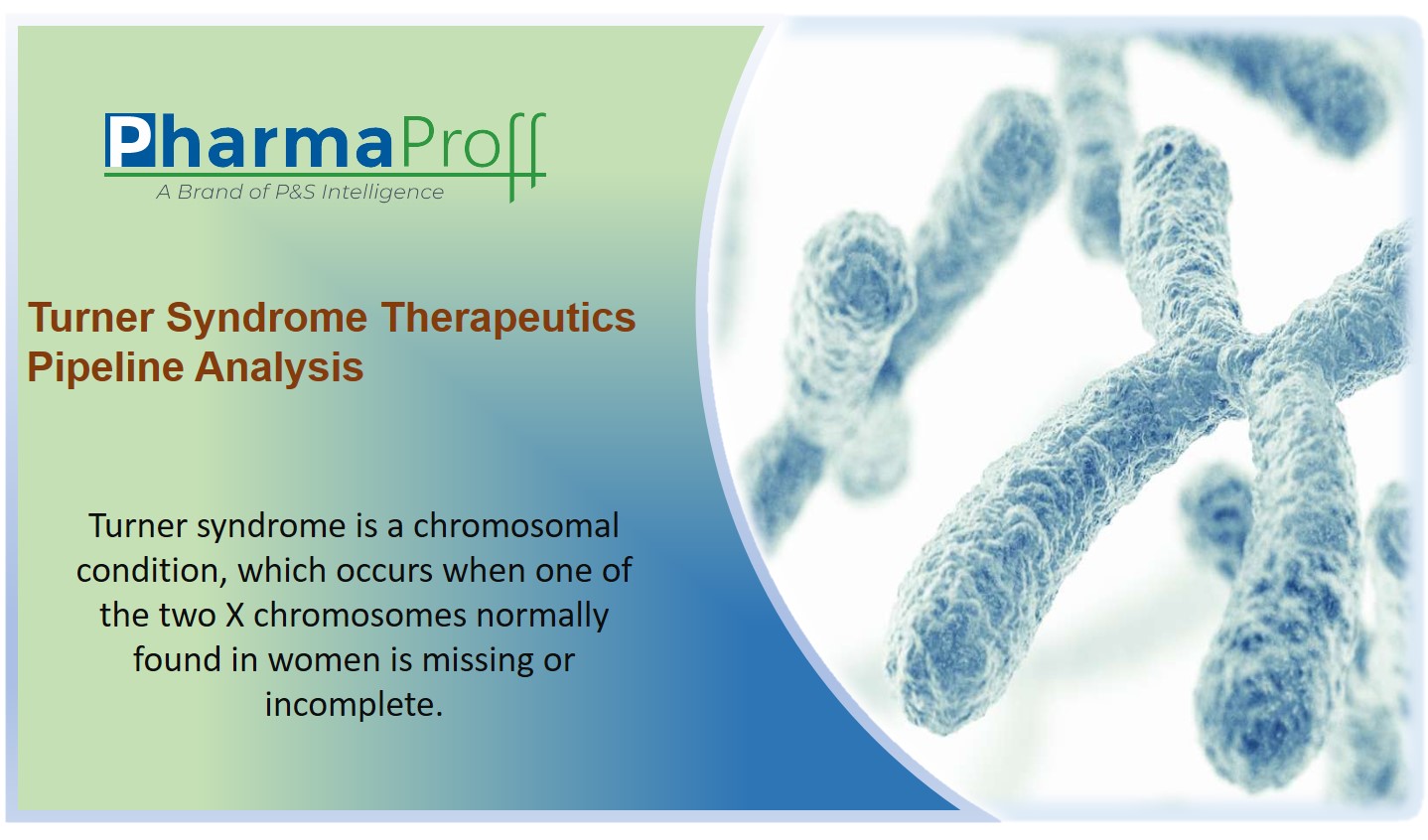
Turner syndrome is a chromosomal condition, which occurs when one of the two X chromosomes normally found in women is missing or incomplete. The disease alters the growth and development in females. The symptoms can vary among women who have Turner syndrome.

Women with this condition tend to be shorter than average and are usually unable to conceive a child because of an absence of ovarian function. Some other features of this condition are extra skin on the neck (webbed neck), heart defects and kidney problems, puffiness or swelling (lymphedema) of the hands and feet, and skeletal abnormalities.

For more info download the sample report at:
https://www.pharmaproff.com/request-sample/1149

This condition occurs in about one in 2,500 female births worldwide, but is much more common among pregnancies that do not survive to term (miscarriages and stillbirths).

The drug candidates of Turner syndrome disease pipeline include, but are not limited to are Estradiol and Somatropin pegylated. Some of the companies having drugs in the Turner syndrome disease pipeline are Novo Nordisk A/S, GeneScience Pharmaceuticals Co. Ltd., and Polus Inc.

Clinical Trials & Results on Uterine Fibroids Therapeutics

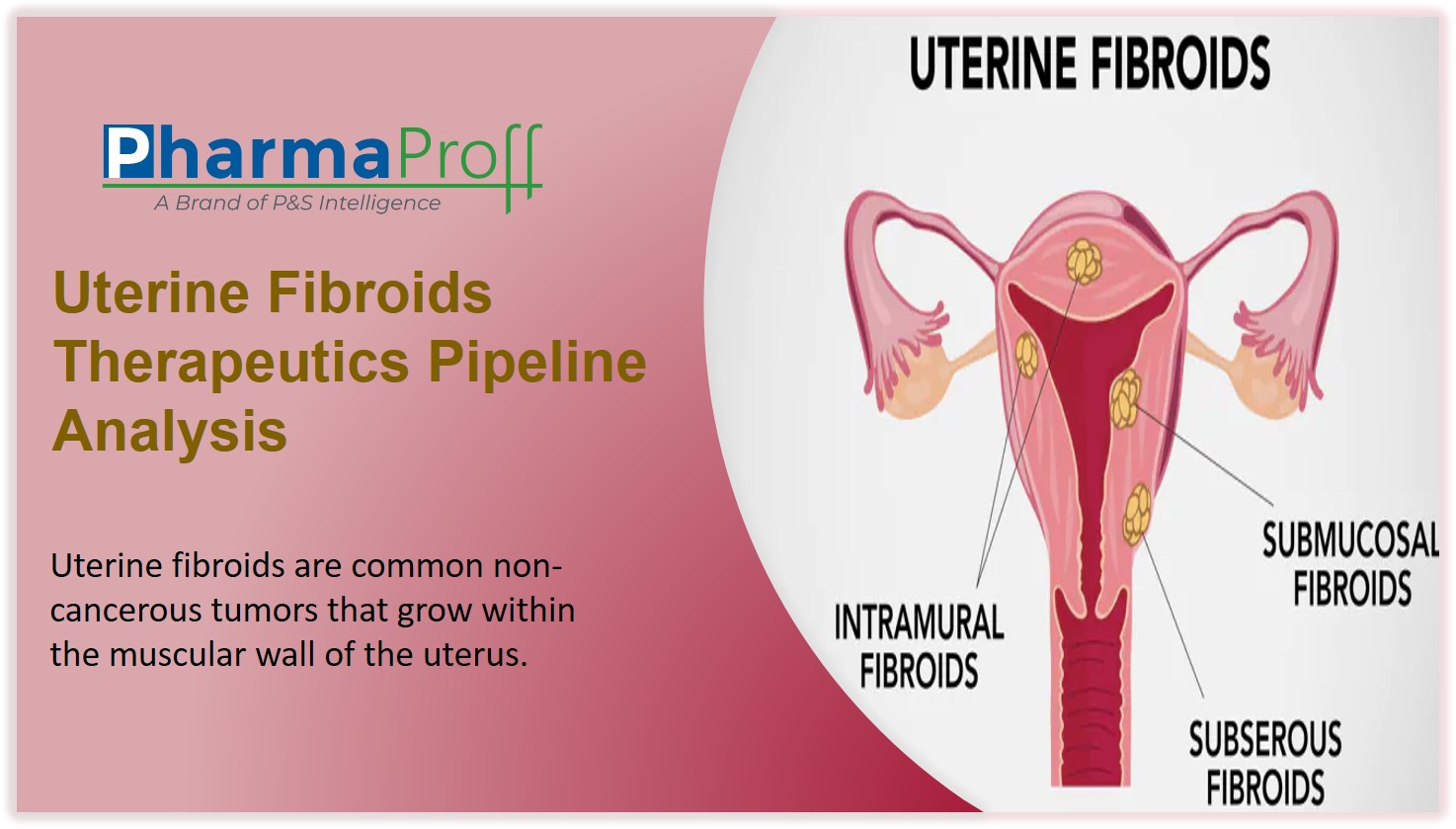
Uterine fibroids, also known as leiomyomas or myomas, are non-cancerous growths that develop from the muscle tissue of the uterus. The size, shape, and location of fibroids can vary greatly. They may be present inside the uterus on its outer surface, or within its wall, or attached to it by a stem-like structure.

A fibroid may remain very small for a long time and suddenly grow rapidly, or grow slowly over a number of years. It usually affects women between the age of 30 to 40 years, but can occur at any age.

For more info download the free sample report at: Uterine Fibroids Therapeutics – Pipeline Analysis 2018

Uterine fibroids may have various symptoms, such as change in menstruation, anaemia, abdominal cramps, constipation, pain during sex, rectal pain, and difficulty urinating or frequent urination. It is diagnosed through ultrasonography, hysteroscopy, hysterosalpingography, and sonohysterography. Some medications are known to reduce heavy bleeding and painful periods, caused due to this condition.

The drug candidates in uterine fibroids disease pipeline include, but are not limited to, Elagolix, OBE2109, and Proellex. Some of the companies having drugs in the uterine fibroids disease pipeline are Neurocrine Biosciences Inc., Abbvie Inc., and ObsEva SA.

Wnt Signaling Pathway Inhibitors to Witness Significant Growth due to Positive Clinical Results in the Coming Years

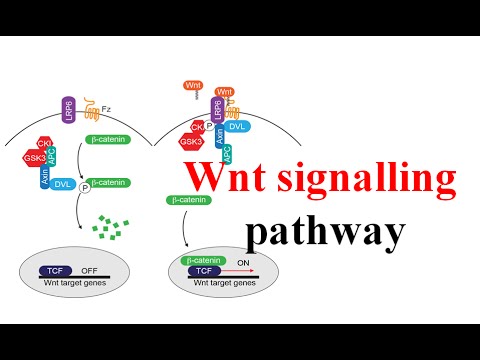
Wnt signaling pathway plays an important role in embryonic development. The signaling pathway regulates cell-to-cell interaction, accelerates trophoblast development, activates blastocyst, accelerate chorion-allantois fusion and implantation. A wide range of diseases, such as different types of cancer and degenerative diseases can be treated by deregulation of components involved in Wnt/β-catenin signaling pathway. Also, researchers have demonstrated that moderate weakening of Wnt signaling can eliminate its carcinogenic potential. Based on the recent researches, Wnt Signaling Pathway inhibitors have also shown potential in cardiovascular disorders.

According to the research findings, majority of the drug candidates in the pipeline are being developed to be administered by the oral route. It has been observed that oral route of medications is convenient; available in delayed or rapid release formulation; provides improved patient’s compliance; and has less risk of systemic infections. Administration of Wnt Signaling Pathway Inhibitors through oral route has shown promising results in the clinical studies. Also, according to the analysis, maximum number of drugs in the pipeline are being developed as small molecules.

The companies developing Wnt Signaling Pathway inhibitors for the treatment of cancer and degenerative diseases, have shown positive clinical results in the various phases of drug development. For instance, in October 2018, Samumed LLC, announced the topline data from the phase IIb trial SM04690 in knee osteoarthritis, wherein the treatment with SM04690 showed improvement in function, pain, and global scores of patients.

Some of the key players involved in the development of Wnt signaling pathway inhibitors in the late and mid stage include Samumed LLC, Can-Fite BioPharma Ltd., Tactical Therapeutics Inc., Leap Therapeutics Inc., 2X Oncology Inc., Eisai Co. Ltd., and Novartis AG.

For More Information Download the Sample Report At: https://www.pharmaproff.com/request-sample/1210