Pipeline Analysis of Turner Syndrome Therapeutics

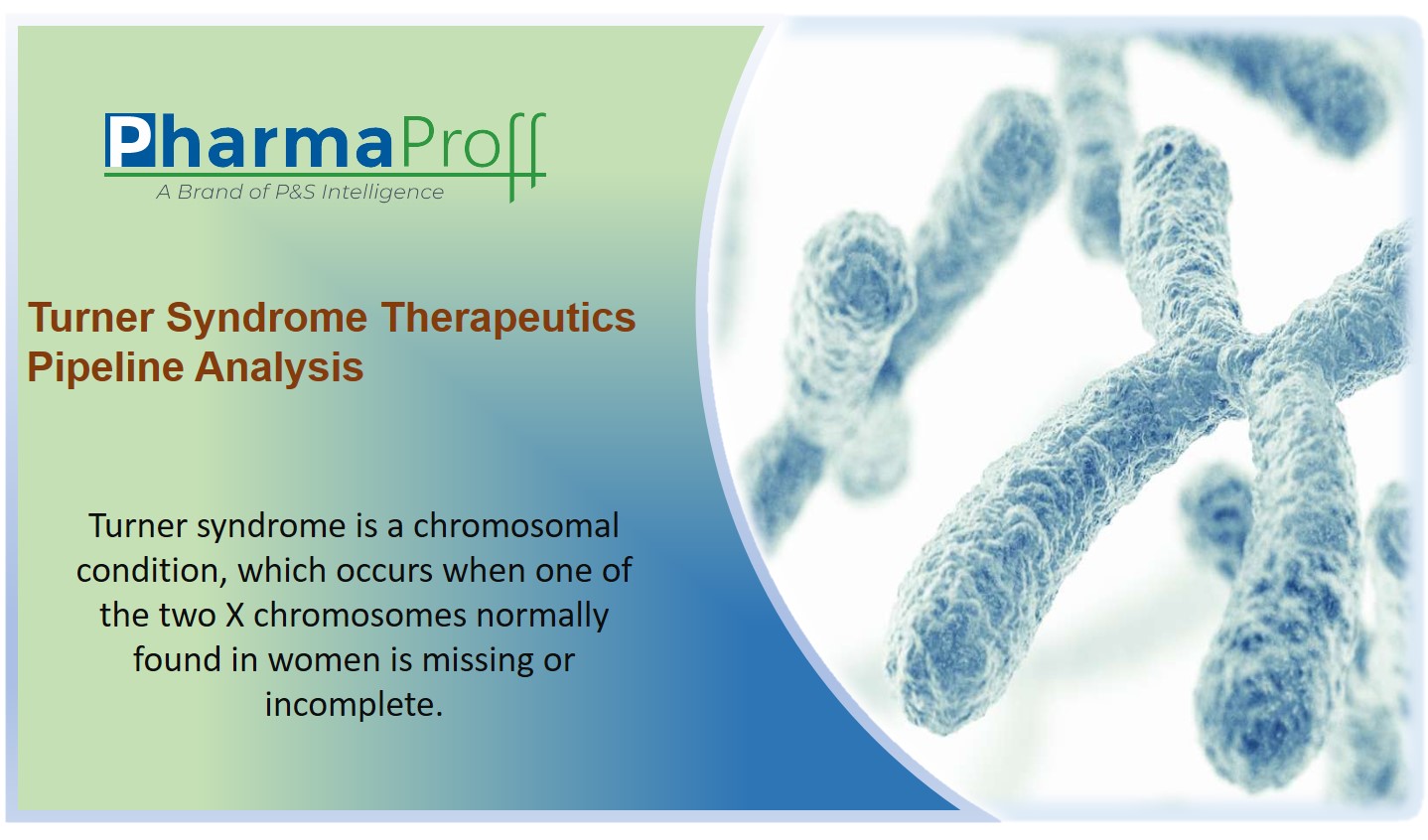
Turner syndrome is a chromosomal condition, which occurs when one of the two X chromosomes normally found in women is missing or incomplete. The disease alters the growth and development in females. The symptoms can vary among women who have Turner syndrome.
Women with this condition tend to be shorter than average and are usually unable to conceive a child because of an absence of ovarian function. Some other features of this condition are extra skin on the neck (webbed neck), heart defects and kidney problems, puffiness or swelling (lymphedema) of the hands and feet, and skeletal abnormalities.

For more info download the sample report at:
https://www.pharmaproff.com/request-sample/1149

This condition occurs in about one in 2,500 female births worldwide, but is much more common among pregnancies that do not survive to term (miscarriages and stillbirths).

The drug candidates of Turner syndrome disease pipeline include, but are not limited to are Estradiol and Somatropin pegylated. Some of the companies having drugs in the Turner syndrome disease pipeline are Novo Nordisk A/S, GeneScience Pharmaceuticals Co. Ltd., and Polus Inc.

Wnt Signaling Pathway Inhibitors to Witness Significant Growth due to Positive Clinical Results in the Coming Years

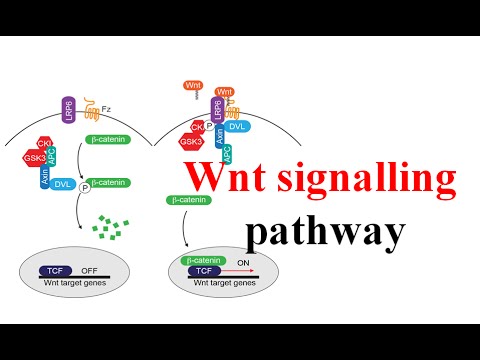
Wnt signaling pathway plays an important role in embryonic development. The signaling pathway regulates cell-to-cell interaction, accelerates trophoblast development, activates blastocyst, accelerate chorion-allantois fusion and implantation. A wide range of diseases, such as different types of cancer and degenerative diseases can be treated by deregulation of components involved in Wnt/β-catenin signaling pathway. Also, researchers have demonstrated that moderate weakening of Wnt signaling can eliminate its carcinogenic potential. Based on the recent researches, Wnt Signaling Pathway inhibitors have also shown potential in cardiovascular disorders.

According to the research findings, majority of the drug candidates in the pipeline are being developed to be administered by the oral route. It has been observed that oral route of medications is convenient; available in delayed or rapid release formulation; provides improved patient’s compliance; and has less risk of systemic infections. Administration of Wnt Signaling Pathway Inhibitors through oral route has shown promising results in the clinical studies. Also, according to the analysis, maximum number of drugs in the pipeline are being developed as small molecules.

The companies developing Wnt Signaling Pathway inhibitors for the treatment of cancer and degenerative diseases, have shown positive clinical results in the various phases of drug development. For instance, in October 2018, Samumed LLC, announced the topline data from the phase IIb trial SM04690 in knee osteoarthritis, wherein the treatment with SM04690 showed improvement in function, pain, and global scores of patients.

Some of the key players involved in the development of Wnt signaling pathway inhibitors in the late and mid stage include Samumed LLC, Can-Fite BioPharma Ltd., Tactical Therapeutics Inc., Leap Therapeutics Inc., 2X Oncology Inc., Eisai Co. Ltd., and Novartis AG.

For More Information Download the Sample Report At: https://www.pharmaproff.com/request-sample/1210

Tuberous Sclerosis Therapeutics- Pipeline Analysis 2018, Clinical Trials & Results

Tuberous sclerosis, also known as tuberous sclerosis complex, is a genetic disorder characterized by the growth of numerous noncancerous (benign) tumors in many parts of the body.

Download the sample report @ https://www.pharmaproff.com/request-sample/1120

It can occur in the brain, skin, kidneys, and other organs, in some cases leading to significant health problems. The signs and symptoms of the disease vary from person to person. Virtually all affected people have skin abnormalities, including patches of unusually light-coloured skin, areas of raised and thickened skin, and growths under the nails. It can also cause facial angiofibromas, tumors on the face beginning in childhood.

Some affected children have the characteristic features of autism, a developmental disorder that affects communication and social interaction.

The drug candidates of tuberous sclerosis disease pipeline include, but not limited to, cannabidiol, and TAK-935. Novartis AG, GW Pharmaceuticals plc and Takeda Pharmaceutical Company Limited are some of the major companies having drugs in the tuberous sclerosis therapeutics pipeline.

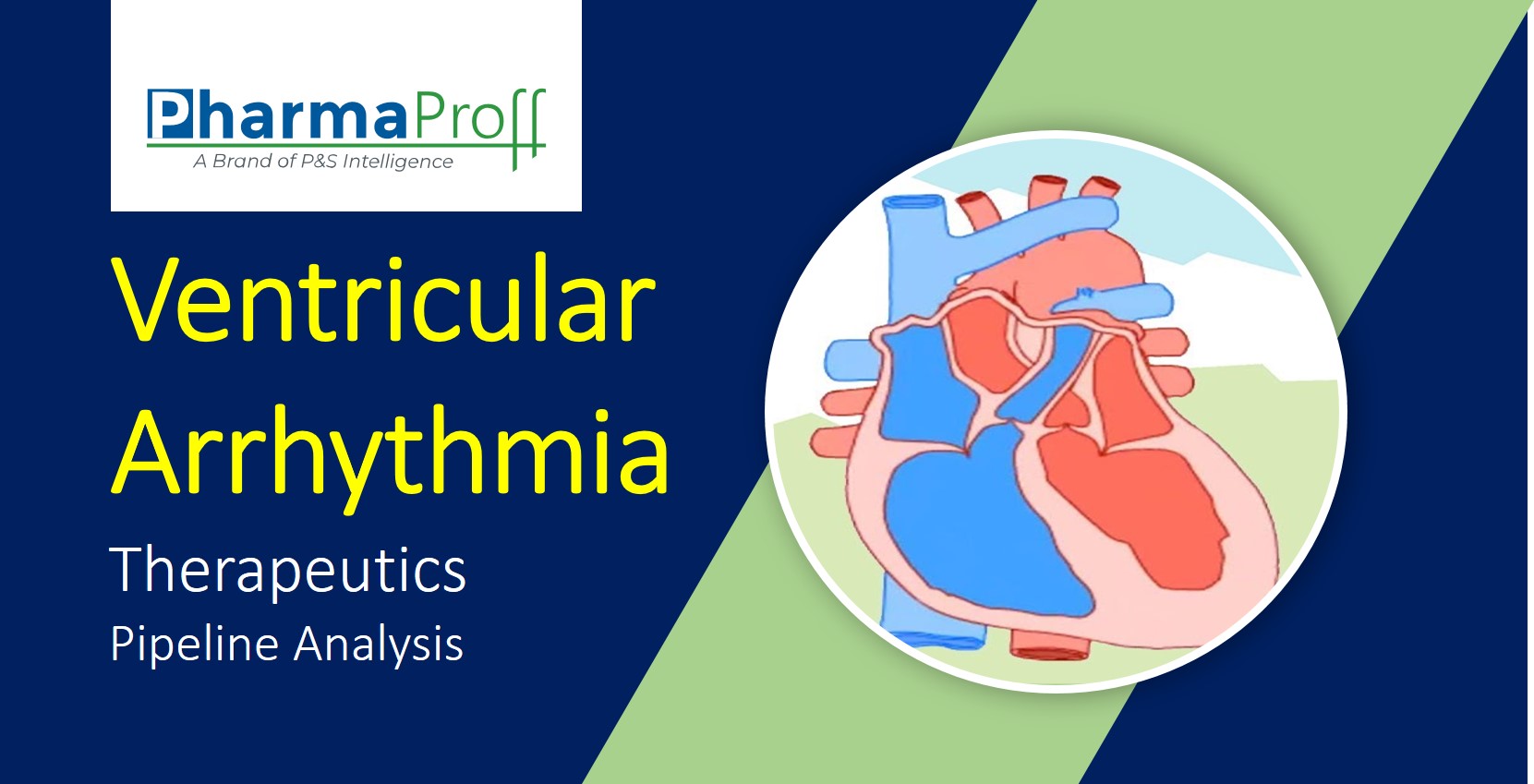
Ventricular Arrhythmia Therapeutics- Pipeline Analysis 2018, Clinical Trials & Results

Ventricular arrhythmia is a cardiovascular disease that is characterized by slow beats (bradycardia) and fast beats (tachycardia). Ventricular arrhythmia generally occurs in the lower chamber of the heart. 

Download the sample report at: https://www.pharmaproff.com/request-sample/1009

Ventricular fibrillation, ventricular tachycardia, and premature ventricular beats are the three types of ventricular arrhythmia observed in the patients. Among these, ventricular fibrillation is the most serious type and is characterized by irregular and uncontrollable beats.

Get the detailed analysis at: https://www.pharmaproff.com/report/ventricular-arrhythmia-therapeutics-pipeline-analysis

Premature ventricular contraction is characterized by irregular heartbeats, in which the ventricles contract too soon. Ventricular tachycardia is a type of arrhythmia in which the ventricles are no longer in control of the SA node. Huya Bioscience International is in the process of developing HBI-3000 as a multi-ion channel blocker for the treatment of ventricular arrhythmia. Also, ARMGO Pharma Inc. is in the process of developing ARM036 as a ryanodine receptor calcium release channel modulator for the treatment of this disease.